Helianthus streamlines your printability analysis

Say goodbye to manual scoring. Accelerate your bioink development and quality control.

You can't improve what you only eyeball

Print quality is usually judged by looking at the construct. That judgement never leaves the person who made it, so two runs a month apart cannot honestly be compared.

Slow

Scoring by hand

Measuring a handful of features by hand takes longer than the print did, so most runs are never measured at all.

Subjective

Operator to operator

Two people scoring the same image disagree, and neither result carries the reasoning behind it.

Unrepeatable

Nothing to compare

Without a consistent measurement there is no baseline, so a process change can't be shown to have helped.

Introducing Helianthus divaricatus

Automated printability analysis, both fast and complete. One segmentation of the construct, read every way below.

Original Overlay Mask Annotated Heatmap Zones
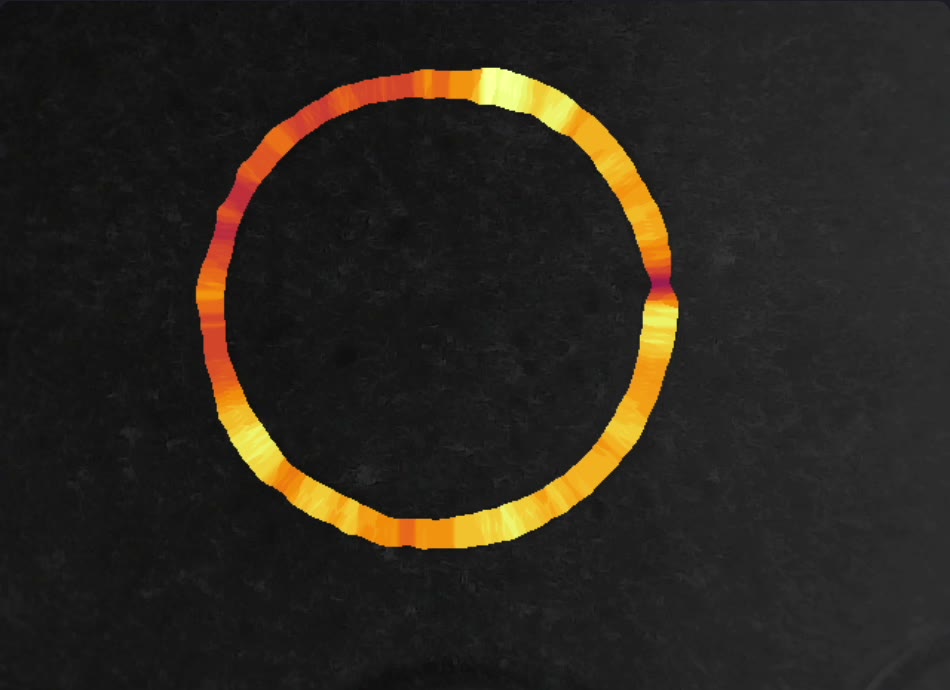
Heatmap view of a printed ring, with filament width mapped to color around the circumference

Detect anomalies.

Hours of analysis down to seconds

Every measurement below comes from one ordinary photograph of the construct, returned as numbers the moment the image lands.

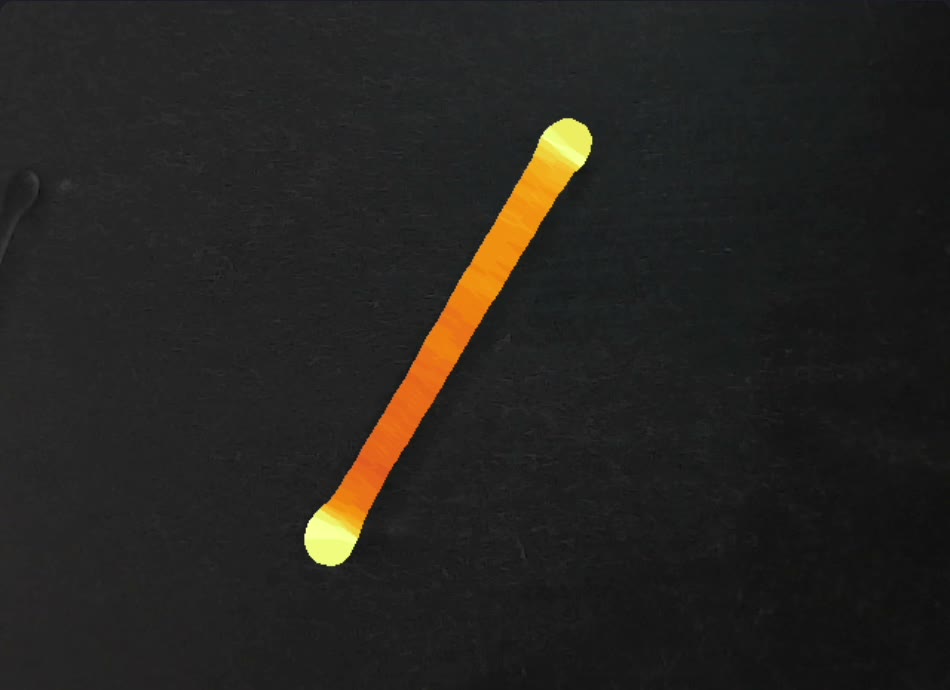
A printed filament rendered as a heatmap, width mapped to color along its whole length

Filament width

Width along the whole strand, not the one spot you happened to measure.

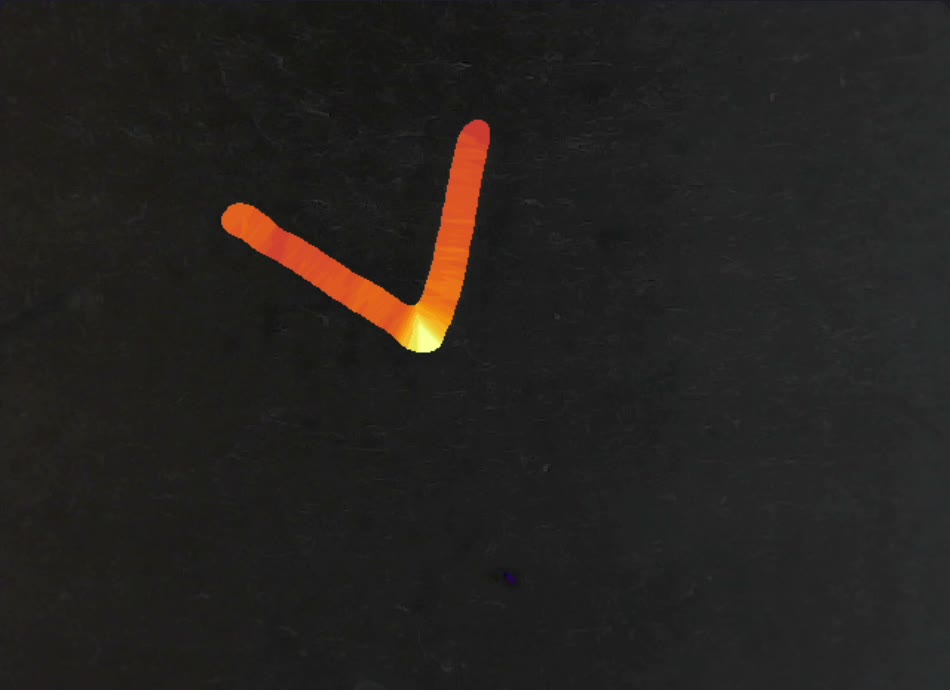
A printed corner rendered as a heatmap, with a bright band of extra width at the vertex where the path changes direction

Corners and turns

Direction changes are where deposition goes wrong first.

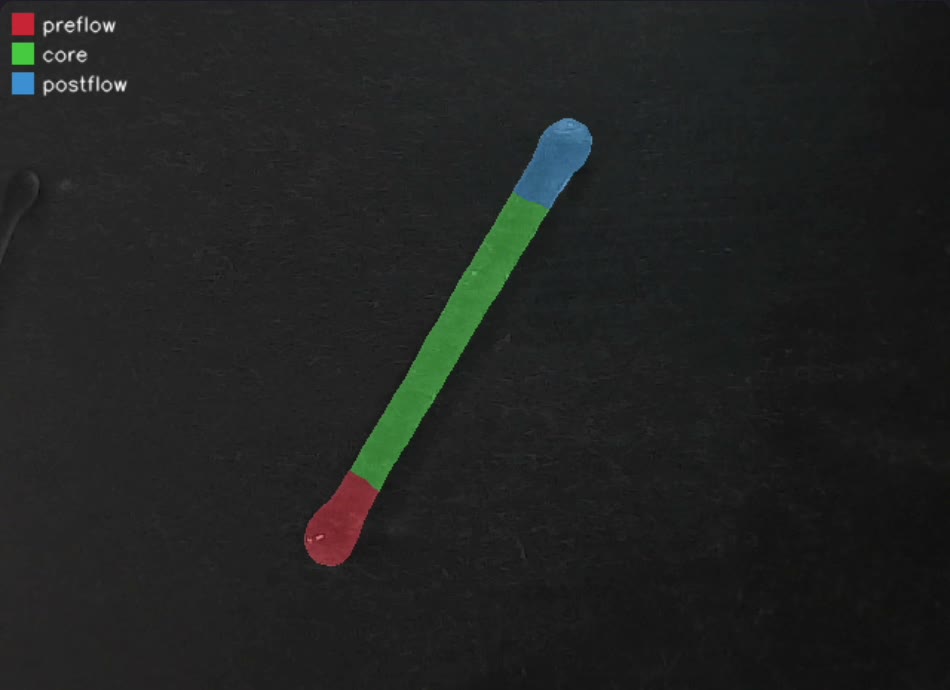
A printed filament split into three zones: a red preflow lead-in, a green core, and a blue postflow tail

Flow zones

Lead-in and tail split from the core, so the core is measured on its own.

Analysis that feeds the next run

Helianthus is the Analyze step of Capitula. A measurement that stops at a screenshot is worth little; these land as structured data the rest of the platform can use.

Record

Into Calendula

Measurements attach to the build record alongside the parameters that produced them, so a result and its conditions stay together.

Coordinate

Back to Cosmos

A quantitative quality score is what design-of-experiments needs to optimize against. Without it, the loop never closes.

Predict

Toward Solidago

Consistent measurements across many runs are the training data predictive models need before they can be trusted.

Helianthus is one of five modules. See the whole platform →

Helianthus is in beta

We're working with a small number of labs while it matures. If measuring your prints is a problem worth solving, tell us about your work.